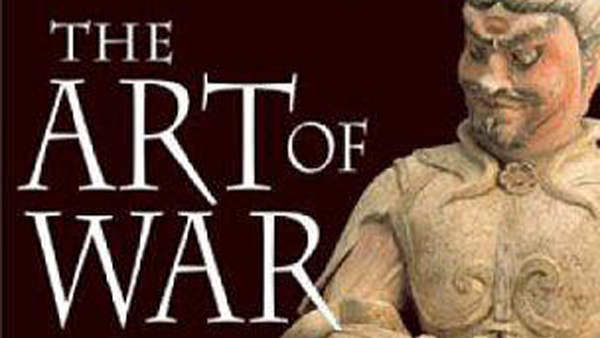
Sun Tzu
Introduction
Sun Tzu, also known as Sun Wu, was a distinguished Chinese military theorist and strategist during the Spring and Autumn Period (770-476 BC). He is best known for his seminal work, The Art of War, which has had a profound influence on both Western and Eastern military practices and philosophical thought. This ancient Chinese military treatise continues to be studied and applied in various fields such as business, sports, and diplomacy.
Historical Background
Sun Tzu's lifetime coincided with the Spring and Autumn Period in Chinese history, a time characterized by political fragmentation and frequent warfare among rival states. This tumultuous era necessitated advanced military strategies and tactics, providing a fertile ground for Sun Tzu's insights into the art of warfare. His treatise, The Art of War, is a compilation of strategies and philosophies on warfare that emphasize subtlety, strategy, and deception over brute force.
The Art of War
The Art of War is a 13-chapter document that covers different aspects of warfare, including planning, tactics, strategy, and logistics. It is renowned for its concise yet profound aphorisms, such as "All warfare is based on deception," and "The supreme art of war is to subdue the enemy without fighting." The work goes beyond military applications, offering valuable lessons on leadership, decision-making, and conflict resolution. Its principles have been applied to a diverse array of disciplines, from corporate strategy to sports coaching.
Influence and Legacy
Sun Tzu's influence extends beyond military doctrine to impact fields such as business, politics, and sports. His ideas have been integrated into military academies around the world and adapted for use in modern strategic thinking. In business, The Art of War's emphasis on competition, strategic planning, and adaptability has inspired countless leaders to incorporate its teachings into their management philosophies.
Cross-Cultural Impact
Sun Tzu's works have resonated globally, stimulating cross-cultural exchanges and adaptations. In Turkiye, for instance, The Art of War has become a bestseller, reflecting an interest in understanding Chinese philosophy. The book's universal messages about strategy and human behavior offer insights that transcend cultural boundaries, appealing to a wide audience worldwide.
Sun Tzu's Cultural Preservation
Sun Tzu's hometown, traditionally identified as Guangrao County in Shandong province, China, has been actively involved in preserving and promoting his cultural legacy. Guangrao is now part of the modern administrative region of Dongying. The city hosts various cultural events, such as the Sun Tzu Cultural Tourism Festival, which seek to explore and celebrate Sun Tzu's enduring influence. Educational initiatives, including the integration of Sun Tzu's teachings into local curricula, further highlight his lasting impact on cultural heritage.
Sun Tzu and Modern Interpretation
Modern interpretations of Sun Tzu's work continue to expand its relevance. In contemporary literature, The Art of War has been adapted into various formats, including bilingual translations and audio versions, making it accessible to a diverse global audience. These adaptations aim to present Sun Tzu's ancient wisdom in a manner that resonates with today's readers, bridging historical insights with modern perspectives.








